
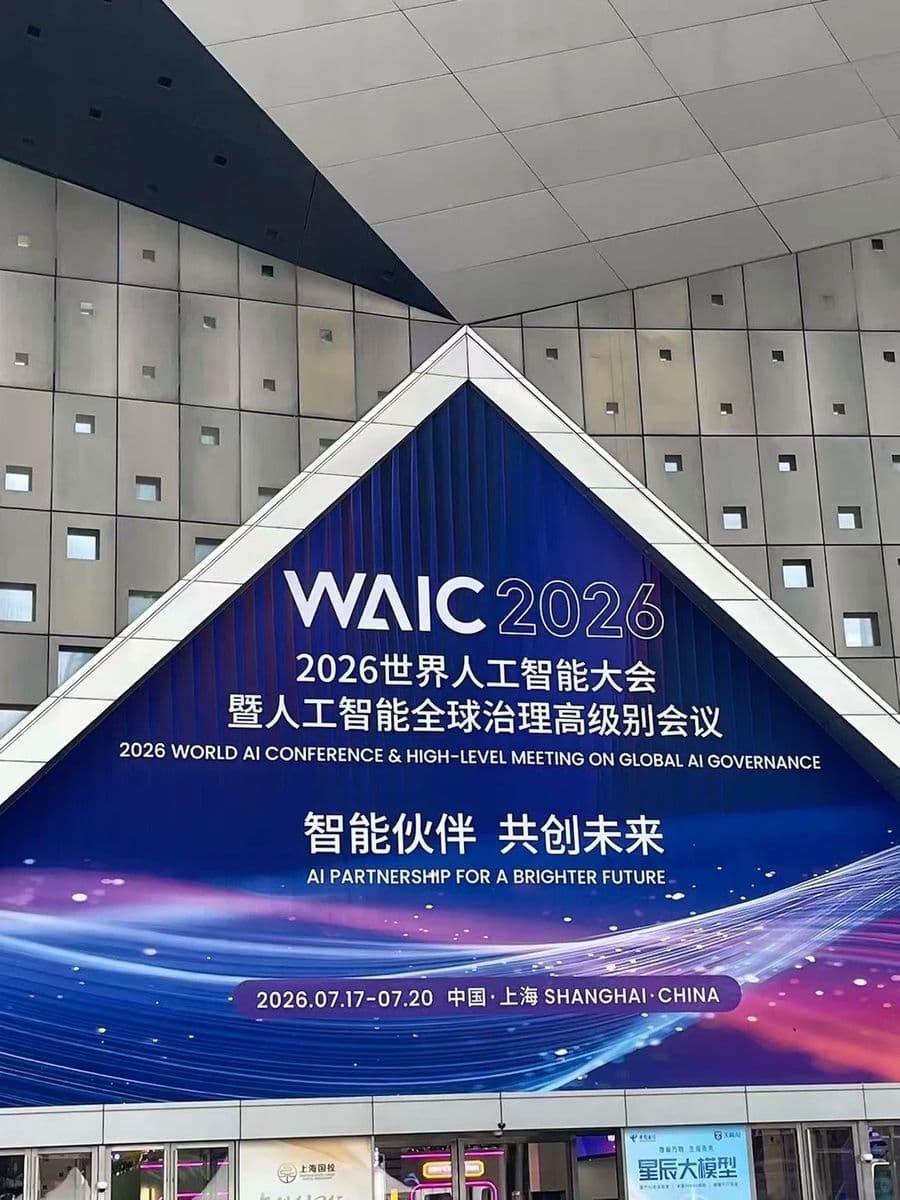
WAIC 2026 left me half hopeful and half worried, with the hopeful side slightly ahead. China is turning AI into products it can sell abroad, Shanghai is giving young founders room to experiment, and competition is pushing prices down. What worries me is the money chasing weak business models — and the obsession with robots that perform well on camera but solve cheap, safe jobs.
Tickets sold out, and I heard claims of unofficial offers above RMB 2,000. The fact that such a number sounded believable says a lot about the mood around AI in China. This was not just a technology conference. It had become mass entertainment, career anxiety and an investment story at the same time.
Why am I still slightly more hopeful?
Because underneath the noise, China has built something real. Components, optical links, cooling equipment, motors, controllers and complete machines are already being made and exported. Young founders are entering the field before the rules have settled, while cheaper Chinese models and hardware keep forcing everybody else to move.
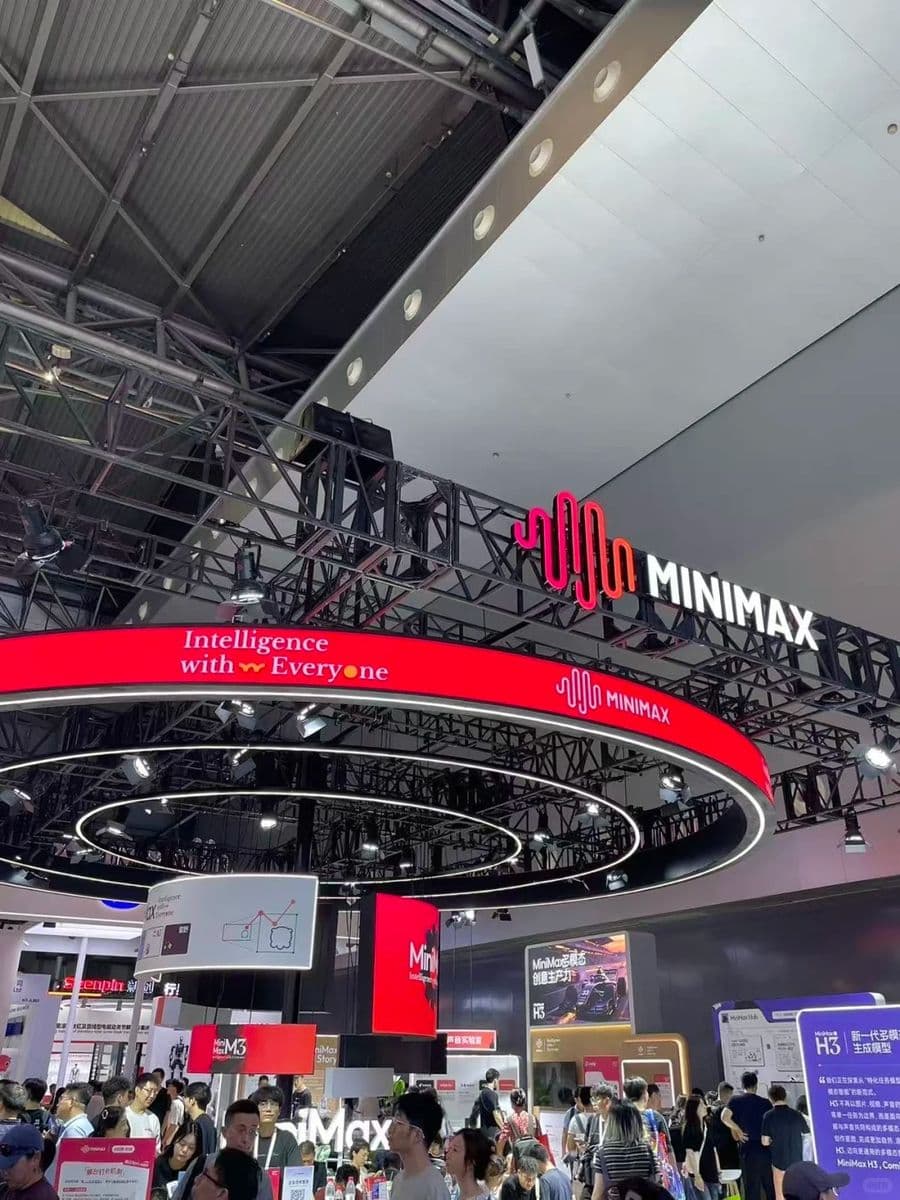
The less optimistic side is also real. Too much money still rewards a good story before a good business, and too many robot companies would rather produce a crowd-pleasing demonstration than solve a difficult, dangerous problem.
What is China actually exporting?
The most convincing part of China’s AI story is not a benchmark. It is the equipment around the model.
In the first half of 2026, China’s total trade in computing hardware — electronic components and computer parts — reached RMB 5.13 trillion, up 56.6% year on year. Xinhua also reported that more than 10,000 intelligent bionic robots were exported to more than 90 countries. An industry analysis cited in the report described demand spreading through chips, storage, optical links, power equipment and cooling.
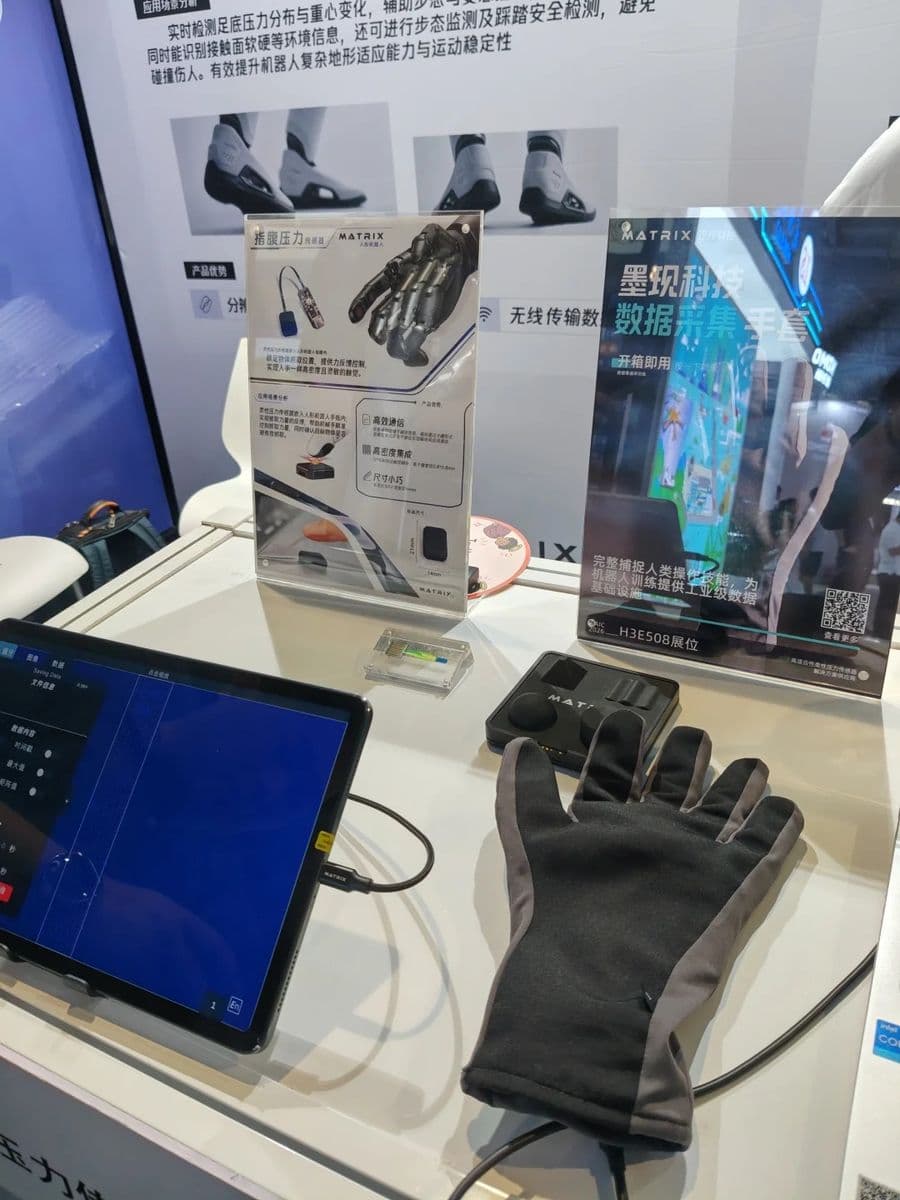
Shanghai’s robot-export data makes the shift more tangible. In the first five months of 2026, robot exports through Shanghai reached RMB 8.36 billion. Industrial-robot exports rose 39.5% to RMB 2.13 billion, while the average declared unit value increased from roughly RMB 62,000 to RMB 86,000.
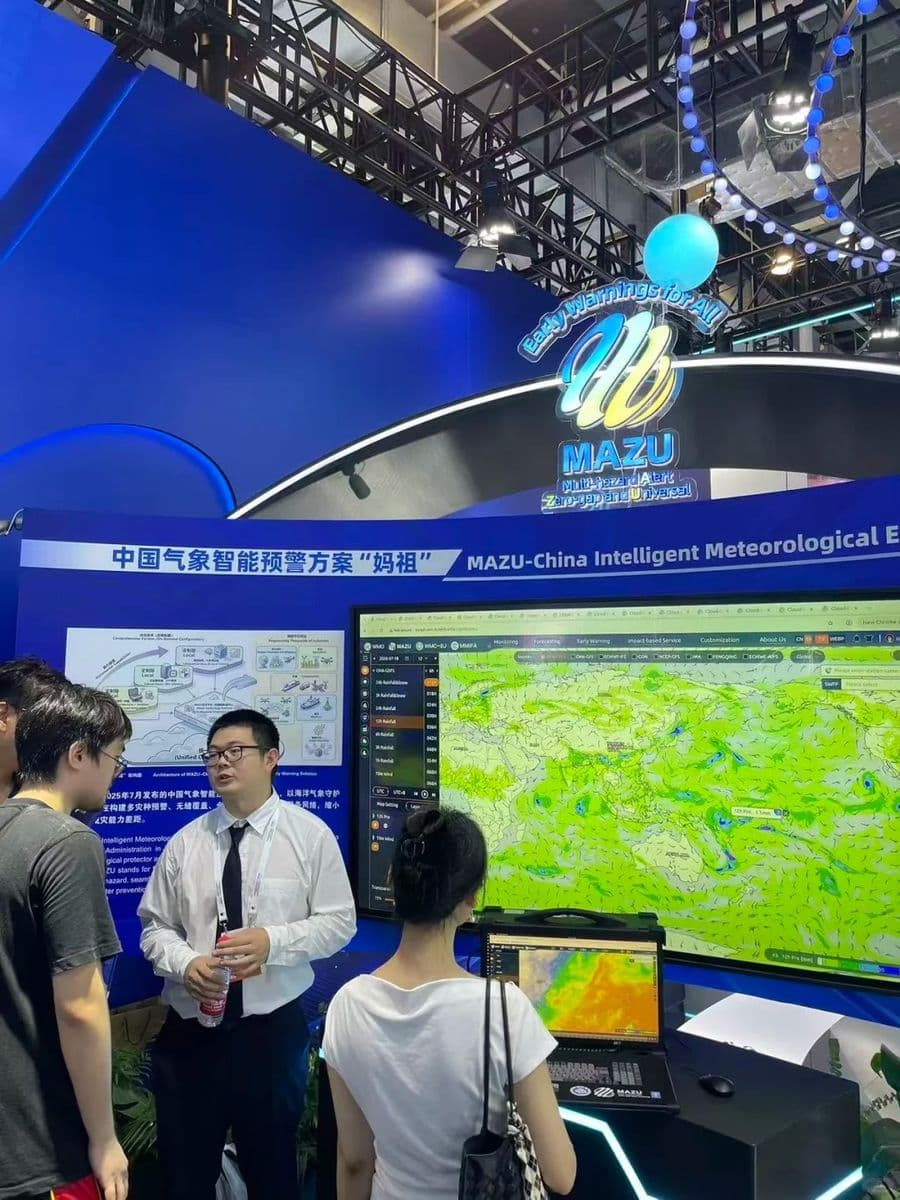
The export story is not only physical. At WAIC, China set a five-year goal to deploy MAZU, an AI-enabled weather early-warning system, in 30 countries.
MAZU combines Fengyun satellite data, weather models, disaster monitoring and warning delivery. It was already running in five countries and being tested online across 43 countries and regions at the start of 2026. This is the kind of AI export I find easy to support: it may give people more time to prepare for floods, typhoons and other dangerous weather.
The same logic applies to hardware. AI may feel like software, but it needs electronics, optical connections, power, cooling, motors, controllers and factories. These products are less glamorous than a new chatbot, but they are easier to sell and much harder to fake.
Some of the most durable businesses in this cycle may be the companies selling cables, motors, cooling systems and power equipment — not the company telling the loudest model story.
Does China need the best model?
No. A model that is good enough and much cheaper can still change the market.
Stanford’s 2026 AI Index says the performance gap between the leading US and Chinese models had effectively closed by March 2026. That does not mean the two ecosystems are identical: the United States still produced more top-tier models and retained other important advantages.
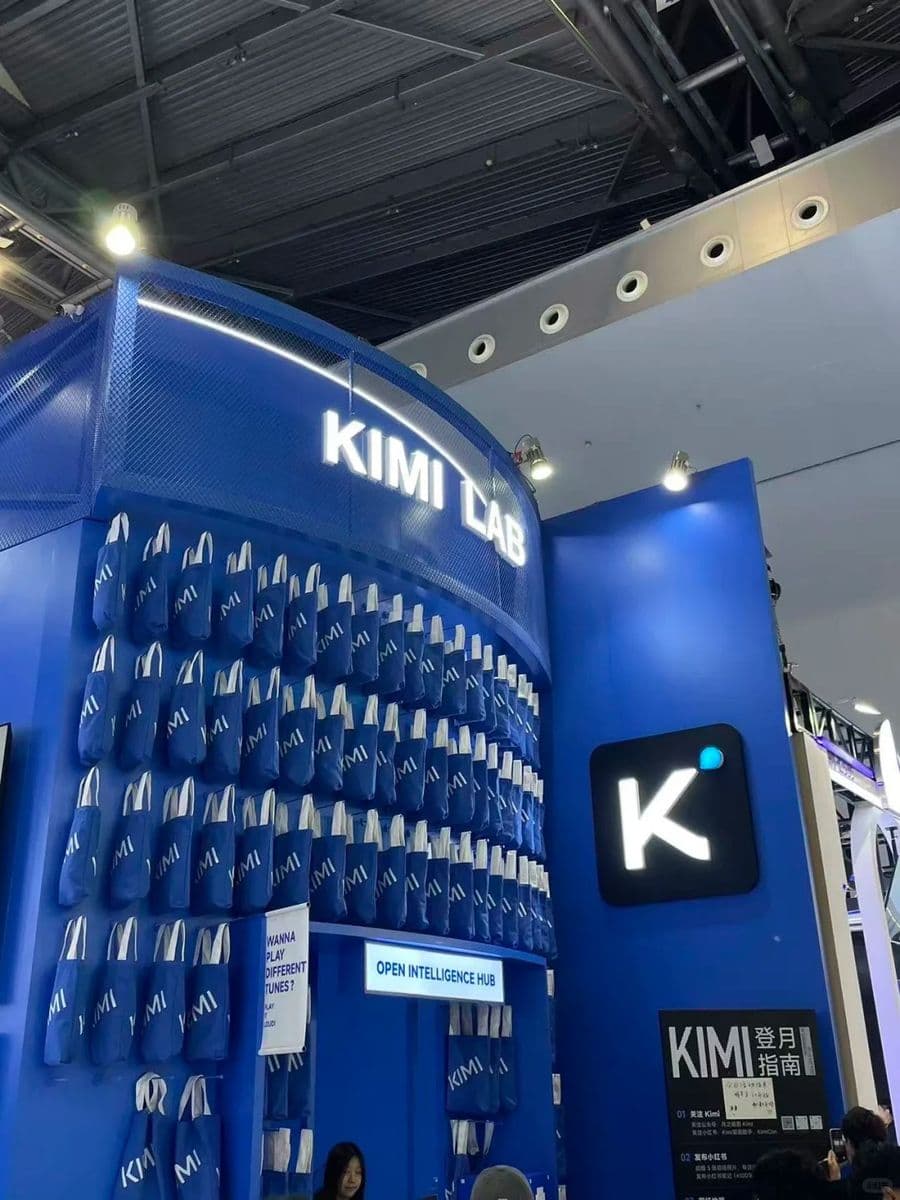
DeepSeek’s official pricing shows the other half of the pressure. Its V4 Flash tier lists cache-miss input at $0.14 and output at $0.28 per million tokens. A lower price is not proof of equal capability in every task, but it changes what customers expect competitors to charge.
China does not have to lead every benchmark. It needs alternatives good enough and cheap enough that nobody can price lazily or stop improving. That pressure may matter more than briefly holding the top position on a leaderboard.
What happens when many startups fail?
One thing that stood out was how young the founders were. More than half of WAIC Future Tech founders were born in the 1990s. The conference also brought together 1,030 AI participants under 35, while event coverage featured several founders born after 2000.
That makes AI unusually open to young people. The tools are new, the rules are unsettled and the largest companies do not own every useful idea. Young people are not limited to applying for jobs; they can still start something and help define how the industry works.
Friendly does not mean safe. I expect many of today’s barely differentiated AI startups to disappear, merge or be absorbed.
A failed company still leaves behind engineers, code, supplier relationships, customers who understand the product and equipment that somebody else can buy cheaply. Failure will hurt, but it will not erase everything the boom created.
What is Shanghai actually putting behind AI?
Shanghai is making it cheaper to try.
Yangpu’s May 2026 OPC measures apply to legally established OPC companies admitted to recognised OPC communities. They include a full waiver of rent and property fees in the first year, token vouchers delivered through community operators, founder coaching, roadshows and investor matching. The policy is valid for one year from 13 May 2026.
Xuhui’s measures, introduced on 30 December 2025 for a two-year trial, generally cover legally operating companies with no more than 10 people. Qualifying teams can receive first-year workstation support, up to RMB 100,000 in startup funding, and up to RMB 1 million each in compute, model and training-data support.
The support goes beyond cheap desks and vouchers. China Unicom announced plans to invest more than RMB 25 billion in Shanghai’s intelligent-computing infrastructure. A separate 2026–2030 programme set an intended credit-support quota of RMB 1.18 trillion for innovative companies.
The RMB 1.18 trillion is a credit quota, not a pile of cash being handed to startups. Even so, the direction is obvious: Shanghai does not want young companies to lack compute, office space or introductions to investors.
The downside is that cheap inputs can also keep weak ideas alive for too long. Support should make experiments affordable, not protect every company from failure.
For international founders and professionals considering Shanghai, subsidy eligibility is only one layer. Work permission and everyday landing logistics remain separate decisions; our 2026 work-permit reset and moving-to-Shanghai guide cover those practical questions.
Where could the bubble be?
By mid-2026, debating whether people use AI is pointless. They do. The useful question is how much of that use produces revenue, profit or real cost savings.
In McKinsey’s 2025 survey, 88% of organisations reported using AI in at least one business function and 79% reported regular generative-AI use. The bottleneck was depth: scaled deployment of AI agents remained in the single digits across nearly all business functions.
Demand accelerated again in 2026. Anthropic reported that its run-rate revenue rose from about $9 billion at the end of 2025 to more than $47 billion by May 2026. It had also reported in February that business subscriptions to Claude Code had quadrupled since the start of the year.
Strong demand and a bubble can exist at the same time. The risk sits in valuations and infrastructure spending running ahead of productive use, margins and cash flow.
My bet is that 2027 brings a hard shakeout. If it does, the United States has a much larger private-capital surface exposed to it: Stanford estimates 2025 private AI investment at about $285.9 billion in the US and $12.4 billion in China, a roughly 23-fold difference.
China would not escape that pain, but falling valuations do not make the underlying capability disappear. Models, engineering knowledge, factories, motors, sensors, GPUs and customer relationships remain after share prices fall.
Are robot companies solving the wrong problems?
Too many of them are.
WAIC presented more than 300 robots across manufacturing, everyday life and entertainment. The serious workflows included a new-energy vehicle production line and a smart pharmacy. The programme also devoted plenty of attention to robot sports, games, music and other performances.
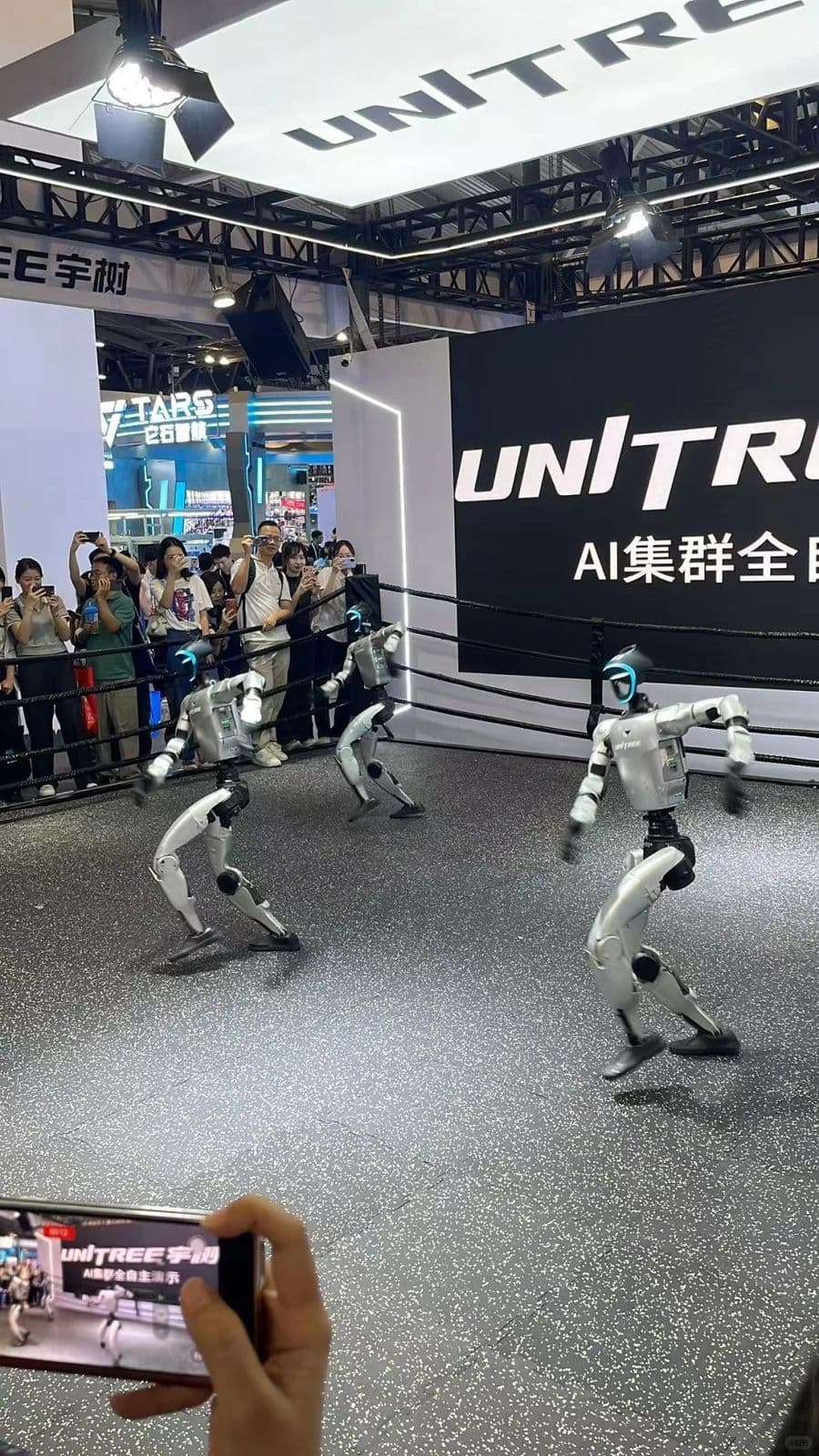
The drink-making robots are where I lose patience. A robotic milk-tea arm setup used in a real store was reported to cost about RMB 150,000. Current Shanghai job listings commonly offer milk-tea shop staff roughly RMB 4,000–8,000 a month.
A human worker can make the drink, restock ingredients, clean the counter, answer customers and deal with mistakes. The robot usually handles only part of that list, so the shop still needs people. For an ordinary milk-tea shop, the spectacle is much easier to see than the saving.
I can imagine the economics working in a tightly standardised, high-volume location that runs around the clock. But in most normal shops, a six-figure machine solving one cheap task looks more like marketing than productivity.
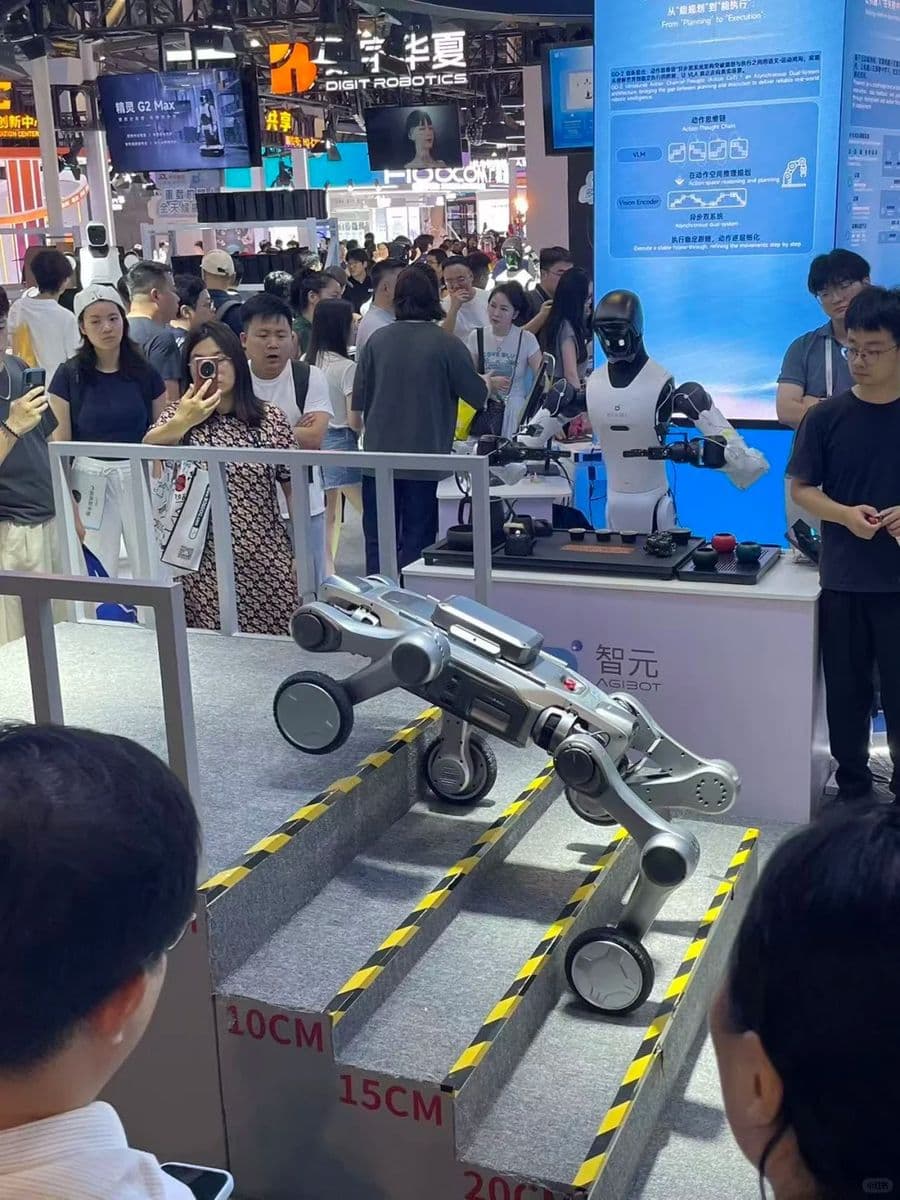
The social priority also matters. Robots should first take jobs that break bodies, not simply jobs that look easy on a show floor. High-rise work, firefighting, flood response, toxic environments, mines and disaster zones have a stronger case because the value is not only labour savings; it is fewer injuries and deaths.
Government guidance already calls for robots in floods, forest fires, earthquakes and urban firefighting, and Shenzhen is testing drones against fires at different heights. Society clearly wants these machines too: few people would object to sending a robot into smoke, toxic gas, floodwater or a collapsing building instead of a person.
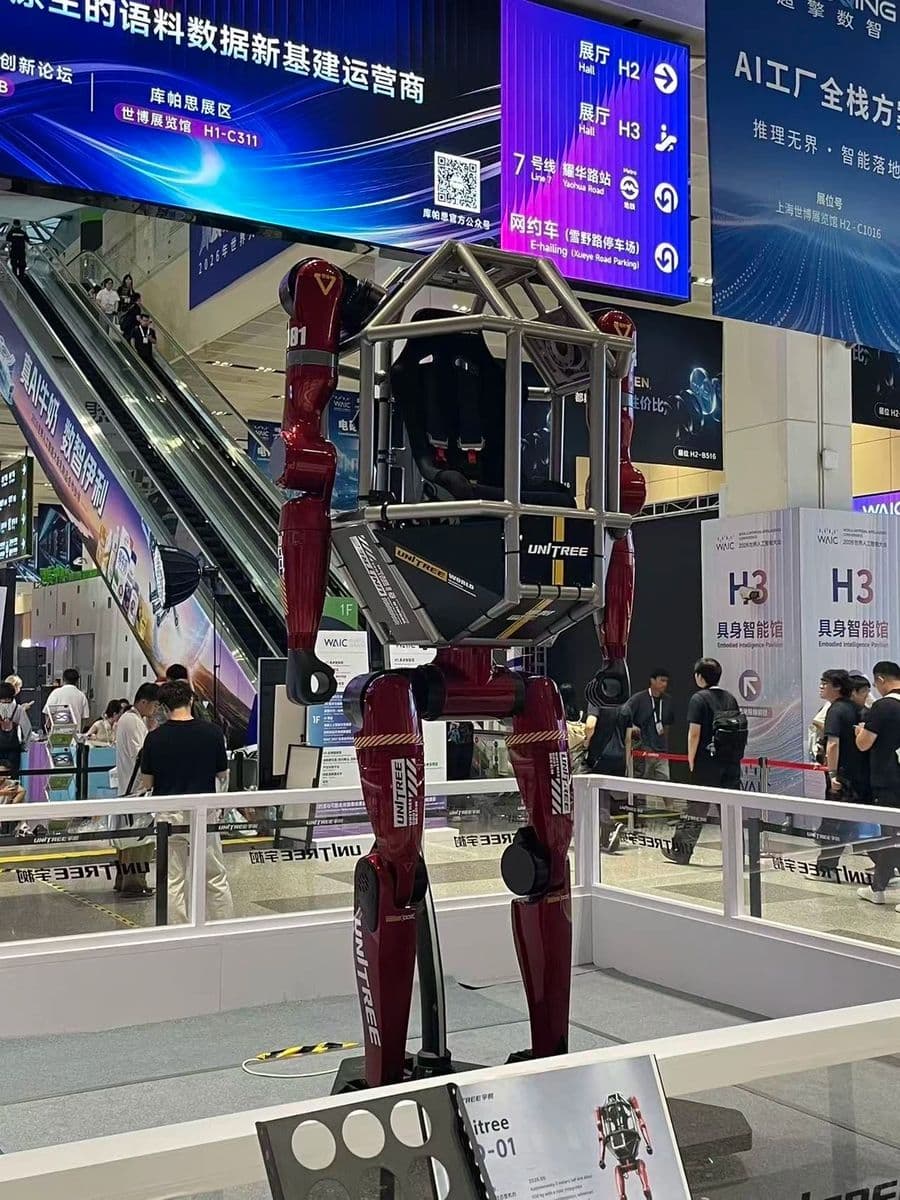
Yet robots built for these dangerous jobs were far less visible in WAIC’s public showcase and coverage than football, dancing, drinks and other entertainment. The demand is there, but the industry does not appear to be investing enough in the hard machines that could actually keep people out of danger.
Who wins after the shakeout?
I am still half hopeful and half worried, with the hopeful side slightly ahead. The positive case is physical: exports, factories, lower prices, young founders and useful systems such as MAZU.
The worry is also simple: too much money is chasing companies without durable economics, and too much robot investment is going into things that look good in a short video but make little sense in an ordinary business.
I expect the industry to go through at least one or two rounds of failure. After each round, something valuable will remain: experienced engineers, code, customer knowledge, component relationships and depreciated equipment.
The next AI giant may not be today’s most celebrated unicorn. It may be the company that is still alive, still has cash and knows what to buy when everybody else is selling.
Common questions
Frequently asked questions
What was the biggest positive signal from WAIC 2026?
China is already exporting the hardware around AI, while MAZU shows that an AI export can also be a useful public-service system rather than another consumer app.
Does high AI adoption mean there is no bubble?
No. People clearly use AI, but a bubble can still form when company valuations and infrastructure spending grow faster than revenue, profit and real productivity.
Is Shanghai giving free money to every AI startup?
No. Yangpu and Xuhui measures have district, company-size, programme-admission and qualification rules. They lower selected costs for eligible small companies; they do not guarantee funding or commercial success for every applicant. The RMB 1.18 trillion figure is intended credit support, not money already paid to startups.
Are Chinese companies building robots for emergency work?
Yes. National guidance covers floods, forest fires, earthquakes and urban firefighting, and Shenzhen is testing firefighting drones. The concern is that these machines received far less attention than sports, drinks and entertainment robots.
What could survive an AI market shakeout?
Engineers, code, customer knowledge, supplier relationships, qualified components and depreciated equipment can all be reused. The next winner may be the company with enough cash and judgment to assemble those assets after weaker businesses fail.
Sources & last verified (July 2026):
- Public-day ticket sell-out and unofficial resale activity — VR Tuoluo: tuoluo.cn
- Hi WAIC as the sole official ticketing platform and real-name entry verification — WAIC Academic Organising Committee: worldaic.com.cn
- China’s H1 2026 computing-hardware trade value and growth — State Council Information Office of the People’s Republic of China: english.scio.gov.cn
- H1 intelligent-bionic-robot exports and demand across chips, storage, optical links, power and cooling — Xinhua News Agency / Economic Information Daily: news.cn
- Shanghai robot-export value, industrial-robot growth and declared unit values — Shanghai Enterprise Go-Global Service Platform / Shanghai Securities News: segg.sh.gov.cn
- Five-year goal to deploy MAZU in 30 countries — Xinhua News Agency: news.cn
- MAZU’s real-time deployments, online trials and public-service components — China Meteorological Administration: cma.gov.cn
- US–China model performance and the remaining differences between the two ecosystems — Stanford Institute for Human-Centered Artificial Intelligence: hai.stanford.edu
- Current DeepSeek V4 model pricing — DeepSeek: api-docs.deepseek.com
- WAIC exhibitor, company, investor and exhibit counts — Shanghai Municipal People’s Government: shanghai.gov.cn
- WAIC OPC submissions, Future Tech selections, founder ages and 1,030 under-35 participants — Shanghai Municipal Government Information Office: shio.gov.cn
- Post-opening reporting on founders born in the 1990s and 2000s — China Radio International / Kankan News: cri.cn
- Yangpu OPC eligibility, rent and property-fee waiver, token vouchers and support services — Shanghai Yangpu District People’s Government: shyp.gov.cn
- Xuhui small-company eligibility and workstation, startup, compute, model and training-data support — Shanghai Xuhui District Science and Technology Commission: xuhui.gov.cn
- China Unicom’s planned Shanghai investment and the intended credit-support quota — Shanghai Securities News: eastmoney.com
- 2025 organisational AI and generative-AI use, including the distinction between piloting and scaled deployment — McKinsey & Company: mckinsey.com
- February 2026 run-rate revenue and Claude Code business-subscription growth — Anthropic: anthropic.com
- May 2026 run-rate revenue — Anthropic: anthropic.com
- US and China private AI investment and scaled agent deployment — Stanford Institute for Human-Centered Artificial Intelligence: hai.stanford.edu
- WAIC robot count and manufacturing, pharmacy, daily-life and entertainment examples — Shanghai Municipal People’s Government: english.shanghai.gov.cn
- Reported RMB 150,000 price of a robotic milk-tea arm setup — Jiemian News: jiemian.com
- Current Shanghai milk-tea shop job listings — 58.com: 58.com
- Emergency-management guidance for flood, forest-fire, earthquake and urban-firefighting robots — Ministry guidance republished by Jingtai County People’s Government: jingtai.gov.cn
- High-rise firefighting-drone tests in Shenzhen — Shenzhen Municipal Industry and Information Technology Bureau: gxj.sz.gov.cn
Continue exploring
Browse all practical China guideshelloChina weekly
Get the weekly Shanghai intel
One email a week — visa changes, housing, international schools and culture. Timely, practical, no fluff.